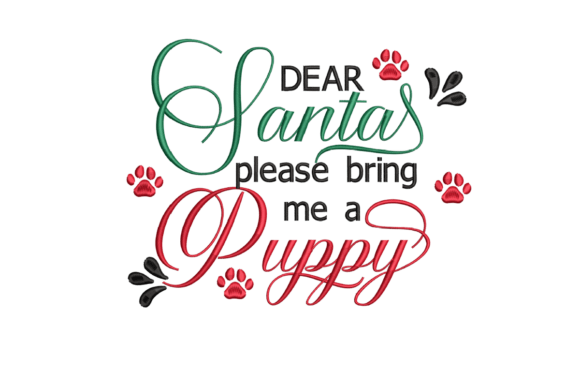
Dear Santa He Did It: A Designer’s Review
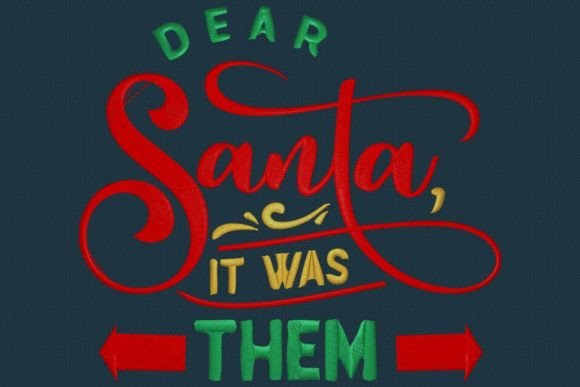
As an embroidery designer who has spent countless hours digitizing and testing machine embroidery designs, I approach every new file with a mix of curiosity and caution. We all know the feeling: you find a design that looks adorable on the screen, but will it actually hold up under the needle? Will the stitches lay flat? Will the customer love the finished product? Today, I am taking a close look at Dear Santa He Did It, a festive embroidery design that promises to bring holiday cheer to various textile projects.
This isn’t just a basic scan of the artwork; this is a practical evaluation for those of us who turn digital files into tangible goods. Whether you are an Etsy seller preparing for the holiday rush, a boutique owner curating unique gift items, or a hobbyist making personalized presents for family, understanding how a design behaves in real life is crucial. Let’s dive into how Dear Santa He Did It performs from a professional perspective.
First Impressions and Visual Personality
The first thing that strikes me about Dear Santa He Did It is its playful yet clean aesthetic. The layout suggests a balance between whimsical charm and readability, which is often difficult to achieve in holiday-themed graphics. The mood is lighthearted, evoking the excitement of Christmas morning without being overly cluttered. For a designer, this is promising because it means the visual personality is strong enough to stand alone as a focal point on a garment or home decor item.
The shape and theme are instantly recognizable, tapping into the universal language of holiday anticipation. However, the true test lies in the detail level. In my experience, designs that rely too heavily on tiny elements can become a nightmare during production. From what I can observe, this design appears to have a thoughtful structure that should translate well into thread, provided the right techniques are used. It feels like a natural fit for projects that require a touch of humor and warmth, such as custom apparel or cozy home accessories.
Real-World Application and Product Fit
When I evaluate a machine embroidery design, I immediately start visualizing it on different substrates. Where does Dear Santa He Did It belong? Based on its scale and style, I see immense potential in several key areas.
- Sweatshirt Embroidery: This is perhaps the most obvious choice. The design’s boldness would pop beautifully on the chest or back of a crewneck sweatshirt. It’s the kind of statement piece that sells well in small shops during the winter season.
- Tote Bag Design: Imagine this stitched onto a heavy canvas tote. The durability of the stitch combined with the festive message makes for a reusable holiday shopping bag that customers would cherish year after year.
- Baby Embroidery: With softer thread colors and appropriate scaling, this could work wonderfully on baby onesies or bibs. It captures the innocence and joy of a child’s first Christmas.
- Pillow Covers: For home decor, placing this design on a neutral-toned pillow cover adds a seasonal accent without overwhelming the room’s aesthetic. It’s a subtle way to incorporate holiday embroidery into everyday living spaces.
I recently considered using a similar concept for a custom embroidered apron for a client who runs a bakery. The Dear Santa He Did It design would have been perfect there, adding a personal touch to their holiday merchandise. The key is matching the design’s energy with the product’s purpose. For a handmade product intended as a personalized gift, this design offers high emotional value, which translates directly to higher perceived worth for the buyer.
Technical Considerations and Stitching Performance
Now, let’s talk about the nuts and bolts. As a reviewer, I need to address where this design might require careful handling. While the description notes that it comes with multiple embroidery file formats, which is essential for compatibility across different machines, we must consider the physical execution.
Fabric texture plays a massive role. If you are stitching this on a textured fabric like a waffle-knit thermal or a thick terry cloth towel, you need to ensure the stitch density is appropriate. Too dense, and the fabric will pucker; too light, and the background fabric might show through, ruining the clarity of the design. I recommend using a cut-away stabilizer for stretchy fabrics like t-shirts and sweatshirts to maintain shape integrity after washing.
Another critical factor is the hoop size. You must confirm that your machine’s hoop can accommodate the design dimensions. If the design includes fine lettering or intricate corners, testing on scrap fabric is non-negotiable. I always advise running a test stitch-out to check for thread breaks or nesting issues, especially if you are using metallic or specialty threads for that extra holiday sparkle.
For those considering commercial embroidery or selling digital embroidery file products, consistency is key. Ensure that the thread colors you choose provide sufficient contrast against the fabric. A dark design on a dark fabric will get lost, while a light design on white fabric might lack definition. Always preview your design in black and white to check for tonal balance before committing to the final stitch.
Enhancing Brand Value and Customer Trust
Why does the quality of your design matter beyond the stitch count? Because it reflects your brand. When a customer buys a custom apparel item or a finished product from your small shop, they are buying into your professionalism. A clean, well-digitized design like Dear Santa He Did It signals attention to detail. It builds trust.
For Etsy sellers and creative entrepreneurs, the visual appeal of your listing photos is paramount. A crisp, well-stitched design photographs better, leading to higher engagement and conversion rates. Whether you are creating printable mockup images for your online store or showcasing actual design assets at a craft fair, the clarity of the embroidery speaks volumes. It shows that you care about the quality of your craft business output.
Moreover, holiday items are often impulse buys or emotional purchases. A design that evokes a smile or a sense of nostalgia, like this one, enhances the giftability of the item. Customers are more likely to purchase something that feels special and unique, rather than mass-produced. By choosing a high-quality embroidery project source, you elevate your entire product line.
Final Verdict and Practical Advice
In conclusion, Dear Santa He Did It appears to be a versatile and charming addition to any holiday design library. Its strength lies in its adaptability across various products, from embroidered patch applications to full-front sweatshirt embroidery. However, success depends on your preparation.
- Check Licensing: Before selling finished items, confirm the license terms provided with the design. Ensure it allows for commercial use if you plan to sell the products.
- Test First: Always stitch out on a similar fabric to your final product. Adjust tension and stabilizer as needed.
- Mind the Details: Pay attention to small elements. If the design has tiny text, ensure your needle and thread combination can handle it without breaking.
- Contrast is Key: Choose thread colors that stand out against your fabric background to maximize visual impact.
By treating this machine embroidery design with the respect and technical care it deserves, you can create stunning holiday embroidery pieces that delight customers and enhance your reputation as a skilled maker. Happy stitching!