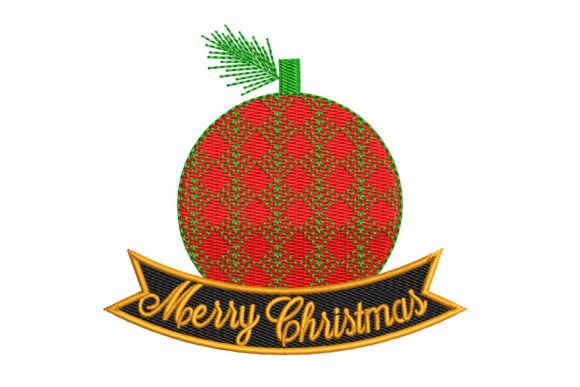
Merry Christmas Applique: A Designer’s Review
As an embroidery designer who has spent countless weekends behind a craft fair table, I know that the difference between a glance and a sale often comes down to visual impact. When I first loaded the Merry Christmas Applique into my digitizing software, I was looking for that specific spark—the kind of design that stops a shopper in their tracks during the holiday rush. This machine embroidery design promises to be modern and creative, targeting those who want outstanding Christmas home decor or unique gifts. But does it hold up under the harsh fluorescent lights of a convention center or the soft natural light of an outdoor market? Let’s break it down from a production and sales perspective.
First Impressions and Visual Appeal
The immediate vibe of this Merry Christmas Applique is festive yet approachable. It doesn’t lean too heavily into traditional rustic clichés, nor is it overly minimalist. Instead, it strikes a balance that feels contemporary and fresh. For a craft fair seller, this is crucial. You want a design that appeals to a broad demographic—from young parents buying their child’s first holiday outfit to grandparents looking for a sophisticated tea towel set. The applique technique inherently adds texture and dimension, which makes the finished product feel premium compared to flat satin stitch designs. It catches the eye because it plays with fabric layers, creating a tactile experience that invites customers to reach out and touch your work.
Product Versatility for the Holiday Market
One of the strongest assets of this digital embroidery file is its adaptability. In my experience, a single great design needs to work across multiple product lines to maximize return on investment. Here is how I see this design performing on various small shop products:
- Tote Bag Design: This is perhaps the strongest contender. A large-scale version of the applique on a canvas tote creates an instant bestseller. Shoppers love reusable bags with seasonal flair, and the sturdy fabric supports the weight of the applique patches perfectly.
- Apron Embroidery: Kitchen towels and aprons are staple holiday gifts. Placing the design on the bib of an apron creates a focal point that is both functional and decorative. It transforms a basic utility item into a cherished keepsake.
- Tea Towel Embroidery: For linen or cotton towels, ensure you use a lightweight stabilizer. The contrast of the applique fabric against the towel weave adds a lovely handmade quality that mass-produced items lack.
- Embroidered Patch: If you offer custom patches, this design scales down well. Iron-on or sew-on patches are low-cost, high-margin items that can be displayed in jars or on cards at your booth.
- Caps and Beanies: While possible, curved surfaces require careful hooping. The applique elements must be secured tightly to prevent shifting during wear. This is better suited for structured caps than soft beanies.
Production Practicality and Batch Efficiency
For any Etsy seller or boutique maker, time is money. The Merry Christmas Applique is designed with efficiency in mind. Applique designs generally run faster than full-coverage satin fills because large areas are covered by fabric rather than thread. This reduces thread breaks and machine downtime. However, you must consider the workflow. You will need to cut your fabric pieces precisely. I recommend using a cutting machine alongside your embroidery setup to streamline this process. This allows you to create a repeatable system for batch production, ensuring every unit looks identical and professional.
Photography is another critical factor. This design photographs beautifully because the layered fabrics create shadows and depth even in two-dimensional images. For your online listings, create a printable mockup or stage real-life shots with holiday props like pinecones or twinkling lights. The visual appeal translates well to digital platforms, helping your commercial embroidery products stand out in crowded search results.
Technical Considerations and Careful Use
While the design is robust, there are technical nuances to address before you start stitching your final inventory. Always check the stitch density in your software. If the border stitches around the applique are too dense, they may cause puckering on lighter fabrics like voile or thin cotton. Conversely, if they are too sparse, the edges might fray over time.
Fabric texture plays a significant role here. Thick fabrics like denim or wool coats handle the bulk of the applique well, but textured towels can sometimes hide the finer details. Test the design on scrap fabric that matches your intended product material. Pay close attention to thread colors. High contrast between the applique fabric and the background fabric makes the design pop, while monochromatic schemes offer a subtle, elegant look. Choose based on your target audience.
Be cautious with small lettering if the design includes text. Tiny details can get lost if the hoop size is too large relative to the design, or if the stabilizer is not firm enough. Use a cut-away stabilizer for garments that will be washed frequently, and a tear-away for home decor items that see less wear. Always confirm the hoop size required by the file to ensure it fits your machine’s capabilities.
Boosting Brand Consistency and Buyer Engagement
Using a cohesive design like Merry Christmas Applique across your product line strengthens your brand identity. When customers see the same stylish motif on a pillow cover, a tote, and a gift tag, it signals professionalism and attention to detail. This consistency builds trust, which is essential for converting browsers into buyers. Furthermore, handmade products with visible quality craftsmanship encourage buyer engagement. Customers are more likely to share photos of unique, well-made items on social media, providing you with free marketing and design assets for future campaigns.
Final Designer Notes
Before committing to a large production run, take these steps:
- Test Stitch: Run the design on your actual product fabric, not just muslin. Check for registration issues where the tack-down stitch meets the edge of the applique.
- Review Licensing: Ensure you understand the terms of the digital embroidery file. Most designers allow you to sell finished physical products, but verify if there are restrictions on mass production or digital resale.
- Create Mockups: Even if you are selling physical goods, having high-quality printable mockup images helps in planning your booth display and online store layout.
- Check Thread Contrast: Ensure your thread colors complement the applique fabric. A mismatched thread can distract from the main design.
In conclusion, the Merry Christmas Applique is a versatile and commercially viable addition to any holiday collection. It balances modern aesthetics with traditional warmth, making it ideal for a wide range of craft fair products. By paying attention to fabric choice, stabilizer selection, and presentation, you can turn this digital file into a standout physical product that drives sales and delights customers. Happy stitching!