Reviewing the Christmas Tree Sweater Design
As a designer who has spent countless hours hunched over an embroidery hoop, watching needles dance across fabric, I have learned that not every digital file translates beautifully into thread. When I first loaded the Christmas Tree Sweater design into my software, I wasn’t just looking at pixels; I was visualizing the final texture, the pull of the fabric, and the reaction of a potential customer holding the finished item. This isn’t just another holiday graphic; it is a specific aesthetic choice that requires careful handling to ensure it elevates your embroidery project rather than weighing it down.
The Visual Personality and First Impressions
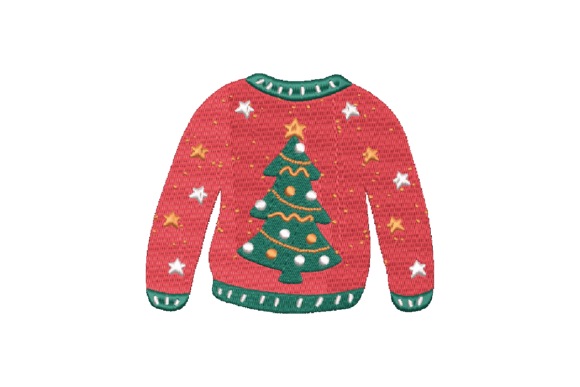
The immediate mood this design evokes is cozy nostalgia. It captures that specific charm of ugly-chic holiday sweaters without being overly cluttered. For those of us running a craft business, understanding the visual personality of a design is crucial. This piece feels playful yet structured, making it ideal for clients who want festive flair without sacrificing sophistication. The layout suggests a balance between open space and detailed stitching, which is vital for maintaining clarity on various textiles.
When evaluating a machine embroidery design like this, I look for how the shapes interact. Does the tree look like a flat blob, or does it have dimension? In this case, the design relies on smart use of fill stitch areas to create volume, while likely using satin stitch for outlines or smaller decorative elements. This combination is what gives handmade items their premium feel. However, remember that any alteration on the file may affect the output, so preserving the original integrity of the design is key to achieving the intended look.
Real-World Application: Beyond the Screen
Let’s move from theory to practice. Imagine you are preparing a custom order for a boutique client who wants a set of matching family sweatshirts. This is where the Christmas Tree Sweater design truly shines. On a thick, cotton-blend fleece, the design would sit prominently, offering a tactile experience that screen printing simply cannot match. The thread colors you choose here will define the success of the product. Traditional greens and reds work, but consider modern palettes like sage, cream, and gold for a contemporary holiday embroidery look that appeals to younger demographics.
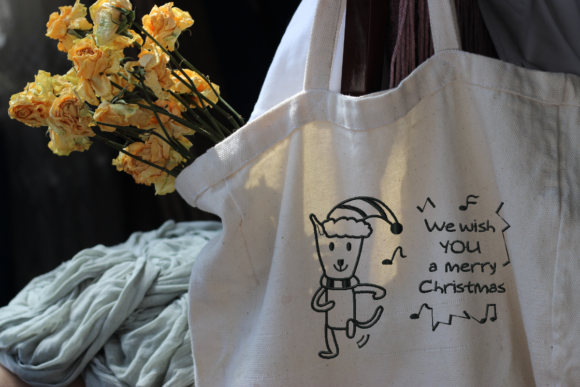
Beyond apparel, consider the versatility of this asset. It works exceptionally well as a tote bag design for seasonal gift-giving or as a focal point on a kitchen towel. For Etsy sellers, creating a range of products using one strong design asset is a smart strategy. You could offer this on canvas aprons for holiday baking enthusiasts or on sturdy pillow covers for home decor. The key is matching the fabric texture to the density of the stitch. A dense design on a thin linen tea towel might cause puckering, whereas the same design on a heavy canvas tote would look robust and durable.
Navigating Technical Challenges
While the design is appealing, practical application requires caution. One must consider where this design should be used carefully. For instance, placing this on a curved surface like a cap requires precise hooping and potentially a different stabilization approach than a flat garment. If the design includes tiny details or intricate corners, these can get lost if the stitch density is too high for the chosen thread weight.
Dark fabrics present another challenge. If you are stitching this onto a navy or black sweatshirt embroidery base, you must ensure high contrast in your thread selection. Lighter threads may require an underlay stitch to prevent the background fabric from showing through, which can add bulk. Always check whether the design works for both light and dark backgrounds by creating black and white mockups before committing to production. This simple step saves time and materials, ensuring your finished product looks professional.
Additionally, be mindful of hoop size limitations. If you are working with a smaller machine, you may need to split the design or scale it down, but remember that scaling can distort the aspect ratio and affect the stitch path. It is always better to choose a design that fits your standard hoop sizes naturally rather than forcing a fit.
Enhancing Brand Value and Customer Trust
For small shop product creators, the quality of your embroidery directly impacts brand consistency and customer trust. A well-executed Christmas Tree Sweater motif signals attention to detail. When customers see clean stitch lines, proper tension, and no loose threads, they perceive higher value. This perception is crucial for commercial embroidery projects where price points are higher than mass-produced goods.
Using this design in your printable mockup previews can also boost buyer engagement. Show the design on different items—a baby onesie, a adult hoodie, a tote bag—to help customers visualize the end result. This transparency builds confidence and reduces return rates. As a digital embroidery file provider or a finished goods seller, your presentation matters as much as the stitching itself.
Practical Notes for the Serious Maker
Before you run this design on your final product, adhere to these professional standards. First, always run a sample of the file on the test fabric before stitching on the actual garment. This cannot be overstated. Different fabrics react differently to tension and needle penetration. Use the appropriate stabilizer—cut-away for stretchy knits like sweatshirts, tear-away for stable wovens like cotton towels.
Inspect the small details closely. Are there any jumping stitches that need trimming? Is the running stitch outline secure? Check thread color contrast physically, not just on screen. What looks good on a monitor might clash in real life under store lighting. Furthermore, confirm licensing before selling finished items or digital products. While this design is meant to decorate your beautiful projects, understanding the rights associated with the embroidery file is essential for legal compliance in your craft business.
Finally, consider the care instructions for the end user. Embroidered items, especially those with dense fill areas, require gentle washing to maintain their shape and vibrancy. Educating your customers on how to care for their personalized gift or custom apparel extends the life of the product and enhances their satisfaction.
In conclusion, the Christmas Tree Sweater design is a versatile and charming addition to any holiday collection. Whether you are creating an embroidered patch for a jacket or a full-front design for a festive sweater, its success lies in your preparation and attention to detail. By respecting the technical requirements of Embroidery and understanding the market needs for Clothing and home goods, you can transform this digital asset into a tangible, beloved product. Keep your needles sharp, your stabilizers ready, and your creative vision clear.