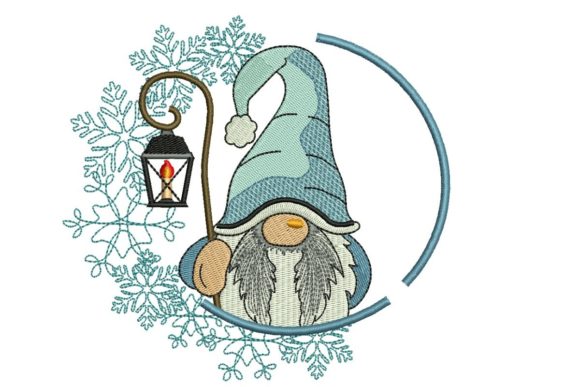
Snowflake Christmas Gnome: A Designer’s Real-World Review
As an embroidery designer who has spent years digitizing patterns and critiquing the work of others, I approach every new machine embroidery design with a mix of curiosity and skepticism. We have all seen those cute holiday motifs that look perfect on a screen but turn into a tangled mess of thread breaks and puckering on fabric. When I first loaded the Snowflake Christmas Gnome file into my software, I was looking for more than just cuteness. I wanted to see if this design had the structural integrity to hold up in a real commercial or personal project.
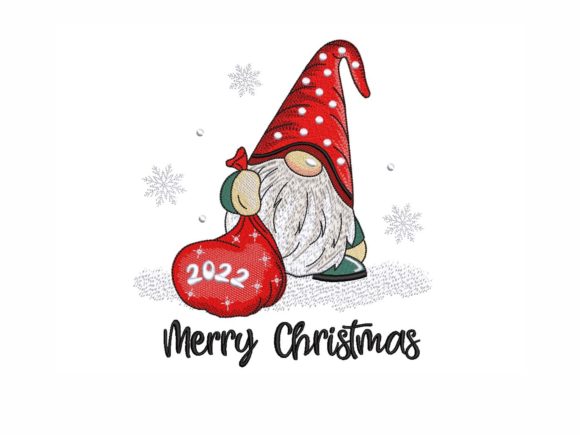
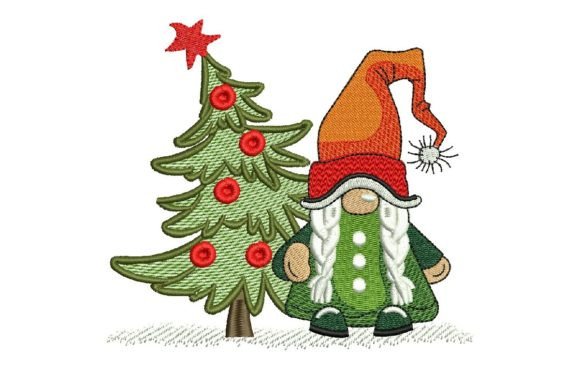
The initial impression is promising. The layout balances whimsical character art with geometric precision. The gnome figure provides organic, soft curves, while the surrounding snowflake elements introduce sharp, clean lines. This contrast is visually engaging, but it also presents technical challenges. In my experience, mixing dense fill areas with delicate linear details requires careful attention to stitch density and underlay. Let us break down how this design performs when it leaves the digital realm and hits the needle.
Visual Appeal and Project Suitability
The mood of the Snowflake Christmas Gnome is undeniably festive without being overly cluttered. It captures that cozy, nostalgic feeling associated with the holiday season. For an Etsy seller or small shop owner, this visual personality is crucial. Customers are drawn to designs that feel handmade yet professional. This particular motif strikes that balance well. It does not look like a generic clipart conversion; it has a distinct character that suggests thoughtful digitization.
I immediately envisioned this design on a few specific items. First, a cream-colored linen tote bag. The neutral background would allow the thread colors to pop, making the gnome the focal point. Second, a heather grey sweatshirt. The texture of fleece or French terry cloth can sometimes swallow small details, but the bold outline of the gnome should remain visible. Finally, I considered a set of kitchen tea towels. Here, the design acts as a charming accent rather than an overwhelming centerpiece. These applications highlight the versatility of the pattern, making it a strong candidate for diverse embroidery projects.
Performance on Different Fabrics and Hoops
One of the most critical aspects of reviewing an embroidery file is understanding how it interacts with various materials. The description states it looks gorgeous on any fabric, but as professionals, we know that "any fabric" requires different preparations. On stable woven cottons, such as those used for aprons or pillow covers, the design should stitch out cleanly. The satin stitch borders likely used for the gnome’s hat and beard will lay flat, providing a nice sheen.
However, caution is needed with stretchy fabrics. If you are applying this to a baby onesie or a fitted t-shirt, the hoop tension must be managed carefully. A floating method with a strong cut-away stabilizer is essential to prevent distortion. The snowflake elements, which may rely on thinner running stitch or light fill stitch work, could sink into plush fabrics like velvet or heavy fleece. In such cases, testing a sample on scrap fabric is non-negotiable. You need to verify that the fine lines of the snowflake do not get lost in the pile of the material.
Curved surfaces present another challenge. Embroidering this on a cap requires a cap frame and potentially resizing the design to fit the limited front panel area. If the design is too wide, the curvature of the cap will distort the circular symmetry of the snowflake. Always check the dimensions against your specific hoop size before committing to a final product.
Technical Considerations for Stitch Quality
From a technical standpoint, the success of the Snowflake Christmas Gnome depends on thread choice and color contrast. Since the design includes both a character and a geometric shape, using similar thread colors for both elements might cause them to blend together. I recommend using high-contrast thread colors. For example, a deep red or green for the gnome against a crisp white or silver for the snowflake creates visual separation and enhances readability.
Stitch density is another factor to monitor. If the gnome’s beard uses a dense fill, it may pull the fabric slightly. Pairing this with a lighter density for the snowflake helps balance the tension across the hoop. Before running a full production batch for your craft business, stitch out a test sample. Check for thread breaks at sharp corners in the snowflake points. These are common failure points in digitized designs. If you notice frequent breaks, you may need to adjust the tension on your machine or add a topping stabilizer for difficult fabrics.
Commercial Viability and Branding
For those selling handmade products, the perceived value of the finished item is paramount. A clean, well-stitched design builds customer trust. The Snowflake Christmas Gnome offers a professional look that can elevate simple items like plain mugs sleeves, ornament blanks, or patch bases. It works well as a standalone motif or as part of a larger collection of holiday-themed assets.
When creating printable mockups or digital previews for your online store, ensure the lighting highlights the texture of the stitches. Buyers want to see the quality of the embroidery, not just the graphic. This design photographs well because of its clear outlines and distinct shapes. It translates effectively into marketing images, helping to drive engagement and sales.
It is also important to consider licensing. While the design is described as high-quality, always confirm whether the license allows for commercial use of the finished product. Most reputable designers allow you to sell physical items made with their files, but restrictions may apply to mass production or digital resale. Clarifying this upfront protects your business and ensures ethical practices.
Final Verdict and Practical Tips
The Snowflake Christmas Gnome is a solid addition to any holiday embroidery library. It is fun, elegant, and versatile, provided you respect the technical requirements of your chosen fabric. To get the best results, follow these practical steps:
- Always test stitch on scrap fabric identical to your final product material.
- Use appropriate stabilizers: cut-away for knits, tear-away for wovens.
- Choose thread colors with sufficient contrast to distinguish the gnome from the snowflake.
- Verify the hoop size compatibility with your machine before purchasing or stitching.
- Inspect small details after stitching to ensure no loose threads or missed stitches.
In conclusion, this design holds up well under scrutiny. It offers a charming aesthetic that appeals to a broad audience, from parents buying baby gifts to adults seeking festive home decor. With proper preparation and attention to detail, the Snowflake Christmas Gnome can become a staple in your seasonal product lineup, delivering both joy to your customers and reliability to your workflow.